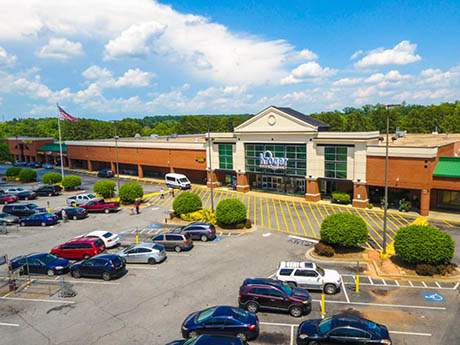
On-the-ground income
Multi-tenant strips where rent rolls and renewals drive predictable cash flow.

Investment Strategy
Multi-tenant necessity retail in secondary and tertiary growth markets: disciplined acquisition, operational optimization, and strategic exits over 3–5 year cycles.
Markets
We focus on markets with demographic stability, service-based economies, and traffic patterns that support necessity retail — not dependence on a single employer.
Stable or growing population with income levels that support daily retail and services.
Diversified employment; we avoid markets overly tied to one plant, campus, or industry.
Visible locations with patterns that reinforce repeat visits, not one-off destination bets.
Necessity retail benefits from repeat demand: restaurants, pharmacy, daily goods, and services.

Value Creation
We underwrite to in-place cash flow first; upside is a bonus, not a requirement to hit returns.
Multi-tenant strips where rent rolls and renewals drive predictable cash flow.
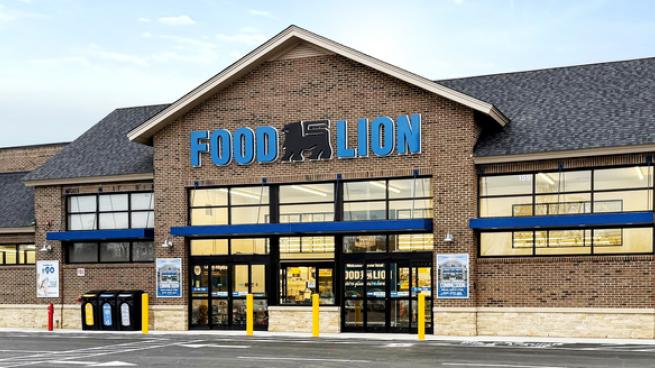
Budgets, reporting, and sponsor oversight aligned with conservative underwriting assumptions.
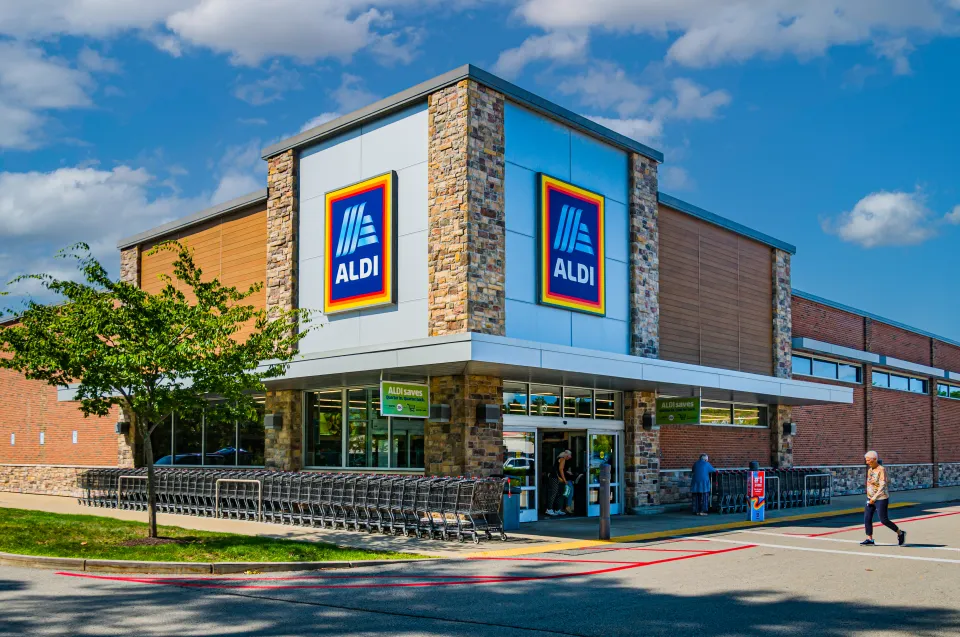
Renewals, rent steps, and occupancy levers tied to real economics, not optimistic pro formas.
Bring below-market rents toward market where leases and competition allow.
Strategic renewals and tenant retention to reduce rollover risk and preserve occupancy.
Professional property management with sponsor oversight and clear, documented budgets.
Aligned with the business plan, not forced quick flips or arbitrary hold clocks.
Discipline
Passing is part of the strategy. Most deals we review don't make it through our 15-point screen. Here is what disqualifies them.
Underwriting
Buy on in-place income. No reliance on pro forma stabilization. Exit caps modeled conservatively. Minimum operating reserves and realistic management fees in every model.
Deals must work on current rents and occupancy — not heroic lease-up stories or pro forma projections.
Only contractual increases modeled in base case; market rent upside treated as optional, not assumed.
Meaningful operating reserves and capex buffers appropriate to each asset's condition and lease profile.
Sourcing
We work with national and boutique brokers, direct owner outreach, and online platforms — targeting undermanaged but stable assets rather than trophy bidding wars.
Relationships that surface off-market and small-lot retail opportunities before broad marketing.
Targeted conversations with long-term owners considering a sale — often before a listing exists.
Consistent screening against the Business Bible before deeper diligence spend on any deal.
Hold & Exit
Year 1: stabilize reporting and lease review. Years 2–3: renewals and rent adjustments. Years 4–5: evaluate refinance or sale when income is stabilized, then recycle capital thoughtfully.
Investor Reporting
Quarterly reporting target: NOI, occupancy, rent roll summary, capex, and forward strategy — with a professional tone, conservative projections, and clear, documents-first communication.
Regular investor updates covering NOI performance, occupancy, lease activity, and capital events.
Updates are grounded in actual trailing performance — not forward-looking optimism.
Questions answered directly. No layer of IR overhead between investors and the people making decisions.